








Background
World Water Day, observed on 22 March every year since 1993, is an annual United Nations Observance focusing on the importance of fresh water and advocating for sustainable water management. Nepal, sitting at the center of Himalayan Water Pillar of South Asia, is at the crossroads of abundant water resources and challenges that affect its access, management, and availability.
Nepal, located within the Himalayan water system of South Asia, holds significant freshwater resources but faces growing challenges related to access, management, and sustainability. The country is divided into three main topographic regions: the ‘Terai’, the hills, and the High Himalayas. Located within the transboundary Ganges Basin, surface water in Nepal is managed through five major basins: the Mahakali, Karnali, Narayani, Koshi, and Southern Rivers. These rivers are central not only to Nepal’s economy but also to regional water cooperation, particularly with India.
Nepal and India share a vital water relationship focused on transboundary rivers including Mahakali, Karnali, Gandaki, Koshi. Key cooperation involves hydropower generation, irrigation, and flood management under Mahakali Treaty, Koshi Agreement, and Gandak Agreement.
In recent years Nepal and India Water cooperation has witnessed positive development. In 2025, both sides signed Memorandum of Understanding (MoU) on Water, Sanitation, and Hygiene (WASH) that will facilitate intergovernmental collaboration to enable safe drinking water access, sanitation, and waste management through capacity building and training of Nepali staff on water resource management, technology and technology & knowledge transfer.
Although factually Nepal has abundant water resources, it faces severe water resource challenges including seasonal scarcity, water pollution, and poor access to safe drinking water. Climate change has led to glacial melt, drying springs, monsoon flooding, infrastructure damage, and inadequate management of groundwater. At the same time, India’s experience in innovation and advanced strategies for water stress management can be shared with Nepal under existing cooperation agreements.
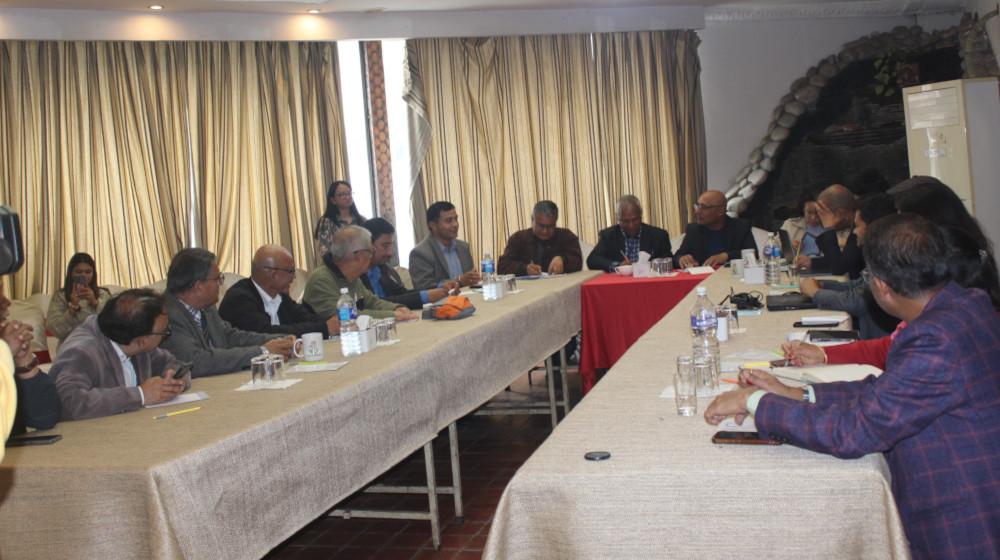
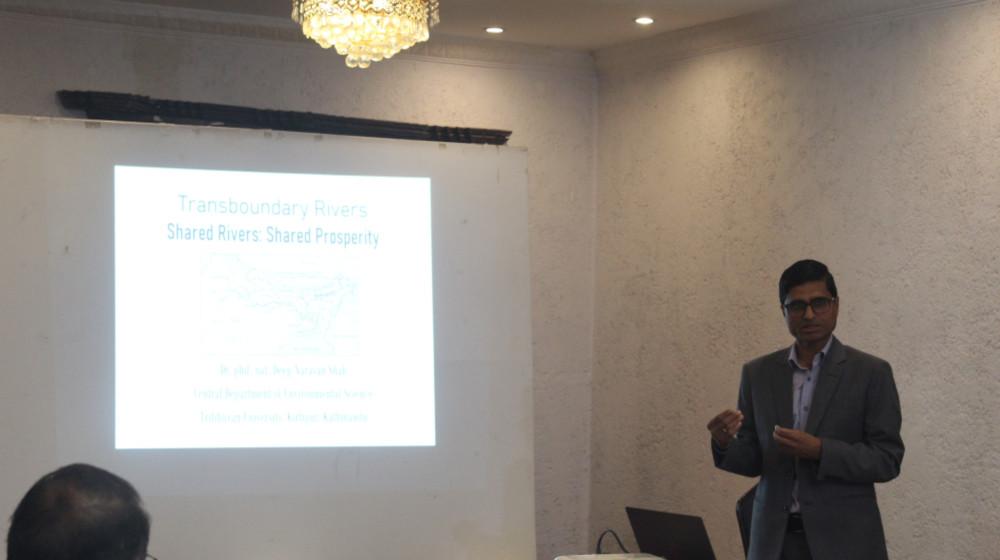
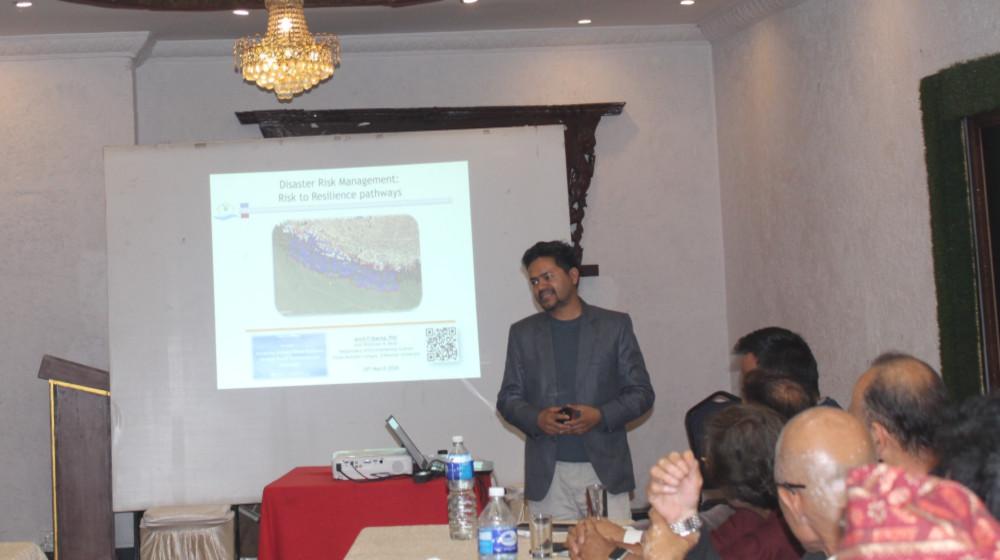
Thus, this roundtable to brought together experts and stakeholders to examine these challenges and identify pathways for strengthened rgional water cooperation.
 |
 |
 |
 |